Composting is a rewarding and environmentally friendly way to reduce waste and create nutrient-rich soil for your garden. If you’re new to composting, starting at home might seem challenging, but with a few simple tips and some basic knowledge, you can turn your kitchen scraps and yard waste into black gold. This guide will walk you through everything you need to know to begin composting easily and successfully.
What Is Composting?
Composting is the natural process of recycling organic materials like food scraps and yard waste into a rich soil amendment. Microorganisms break down the materials into humus, which improves soil structure, retains moisture, and provides essential nutrients to plants.
Why Should You Compost at Home?
– Reduces landfill waste: Composting diverts organic waste from landfills, reducing methane emissions.
– Improves garden health: Compost enriches soil with nutrients and beneficial microbes.
– Saves money: Homemade compost reduces the need for chemical fertilizers and soil conditioners.
– Encourages sustainable habits: Composting supports environmentally responsible living.
Getting Started: Choosing a Composting Method
There are several ways to compost at home. Your choice depends on available space, time, and interest.
1. Backyard Compost Bin
Ideal for those with a yard, a compost bin keeps materials contained and speeds up decomposition.
– Purchase or build a bin with good ventilation.
– Place it in a dry, shaded spot with good drainage.
2. Compost Pile
If bin options aren’t feasible, you can create a simple pile in a garden corner.
3. Tumbler Composters
Rotating tumblers speed up decomposition by aerating materials easily.
– Great for small to medium-sized gardens.
– Easy to use and less labor-intensive.
4. Indoor Composting (Vermicomposting)
For apartment dwellers, worm composting (vermicomposting) is ideal.
– Uses red wiggler worms to break down food scraps.
– Can be done indoors in a small bin.
What Can You Compost?
Greens (Nitrogen-Rich Materials)
– Fruit and vegetable scraps
– Coffee grounds and filters
– Tea bags (without synthetic materials)
– Fresh grass clippings
– Plant trimmings
Browns (Carbon-Rich Materials)
– Dry leaves
– Straw or hay
– Shredded newspaper or cardboard (avoid glossy paper)
– Sawdust (from untreated wood)
– Paper towels and napkins (unbleached)
Avoid Composting These Items
– Meat, dairy, and oily foods (can attract pests and cause odors)
– Diseased plants
– Pet waste
– Synthetic materials like plastics or metals
– Glossy or colored paper with inks
Step-by-Step Composting Tips for Beginners
1. Start with a Good Base
Begin your compost pile with a layer of coarse browns like twigs or straw for airflow.
2. Balance Greens and Browns
Maintain a balanced ratio, roughly 2 or 3 parts browns to 1 part greens, to keep the compost healthy.
3. Chop or Shred Materials
Smaller pieces decompose faster. Cut or shred larger items before adding them.
4. Keep It Moist
Your compost should be damp like a wrung-out sponge, not soaking wet. Water as needed.
5. Turn the Pile Regularly
Aerate your compost by turning it every 1-2 weeks to speed up decomposition and prevent odors.
6. Monitor Temperature
A healthy compost pile heats up as microbes work. The ideal range is between 110°F and 160°F. If it’s too cold, add more greens and turn; if too hot, add browns and turn to cool it.
Troubleshooting Common Compost Problems
| Problem | Cause | Solution |
|———————|———————————-|———————————|
| Foul odor | Too much moisture or greens | Add browns and turn pile |
| Pests (rodents, flies) | Meat/dairy in compost or uncovered bin | Remove offending items and cover pile |
| Slow decomposition | Not enough moisture or aeration | Water and turn pile regularly |
| Dry pile | Lack of moisture | Add water and greens |
Harvesting Your Compost
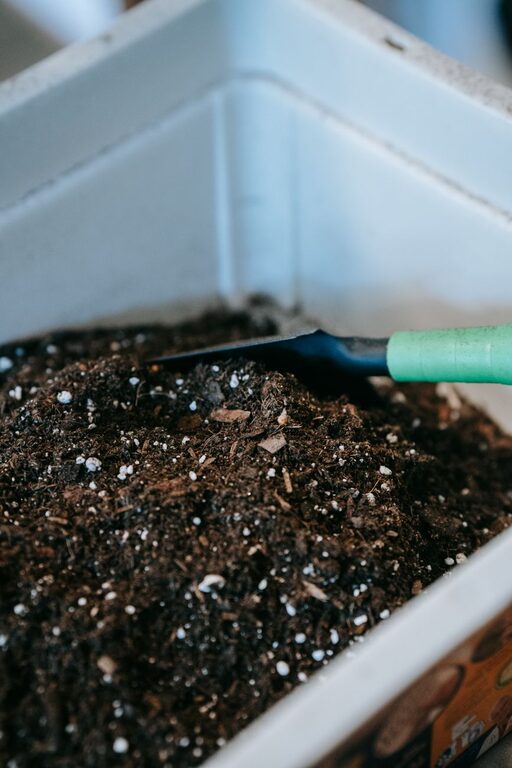
After a few months, your compost should look dark and crumbly with an earthy smell. Use it to:
– Enrich garden beds
– Mulch around plants
– Mix into potting soil
– Topdress lawns
Tips to Make Composting Easier and More Successful
– Use a compost starter or add finished compost to introduce beneficial microbes.
– Keep a kitchen compost bin handy to store scraps before adding to your pile.
– Avoid adding weeds with seeds or invasive roots.
– Be patient — composting is a natural process and takes time.
Final Thoughts
Composting at home is a simple way to reduce waste, nurture your garden, and help the environment. With a bit of practice and patience, you’ll soon enjoy the benefits of rich, homemade compost. Whether you have a large backyard or just a countertop bin, starting today helps build a sustainable future for your garden and your community. Happy composting!
About the Author